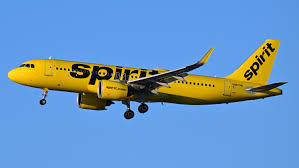
The sudden shutdown of Spirit Airlines in May 2026 marked the end of America’s most recognizable budget airlines. Although the announcement was abrupt to fliers, the airline’s collapse was actually a result of long-building financial problems and economic pressures that finally became too severe to overcome.
One big reason for Spirit’s shutdown was the sudden rise of jet fuel prices. Fuel is one of the most important aspects for any airline, and Spirit’s business model-as cheap as possible-left very little breathing room to take in higher fuel prices. In 2026, oil prices globally skyrocketed thanks to geopolitical tensions, especially involving Iran and the Strait of Hormuz. This made it nearly impossible for Spirit to continue to offer cheap flights while still covering their own expenses.
Another major factor was the carrier’s ongoing financial struggles. Spirit has not been consistent in profits in recent years, and has accumulated billions of dollars in losses since the Covid-19 pandemic.
The company has filed for bankruptcy multiple times, including in 2024 and again in 2025, showing its financial status was already unstable before the fuel prices spiked. By 2026, the company was running out of funds, and once they realized that there’s no more room for takeoff, they had to deploy their landing gears and officially shut down operations.
Also, competition in the airline industry further weakened Spirit’s struggles. Larger airlines like Delta and United began offering basic economy options for fliers. This cheap fare directly competed with Spirit’s low cost tickets, lessening their main advantage. At the same time, Spirit began making strategic decisions like expanding into more competitive routes. Those put up with major carriers that they could not compete with.
In the end, Spirit’s shutdown was because of heavy costs, deep-rooted financial instability, rising fuel costs, and intense competition. Alone, these factors would have been challenging to overcome, but together they created a situation that the airline could not survive. The shutdown highlights how large companies will collapse from financial distress, bad timing, and strong competition when they’re all combined.