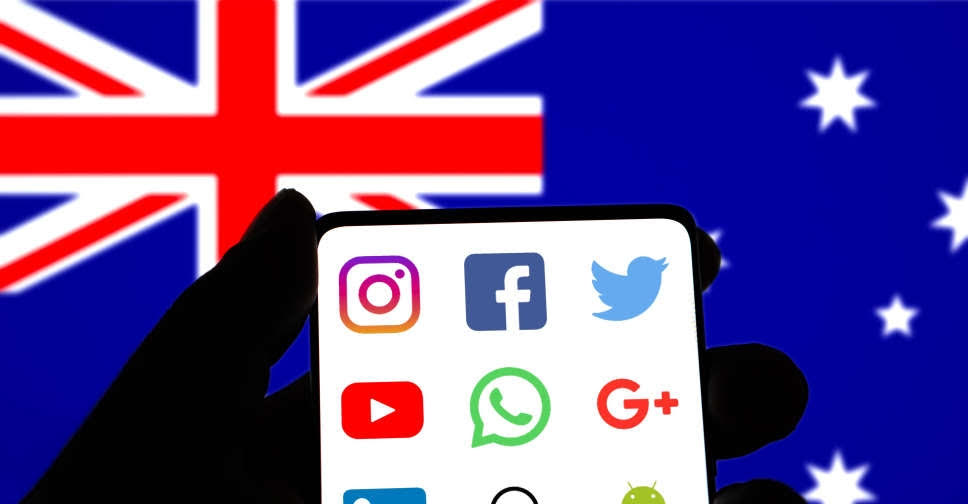
In an astonishing decision, the Australian Parliament has passed a law that prohibits children under 16 from keeping or creating accounts on major social media platforms such as Instagram, TikTok, Snapchat, X, and more. The legislation that come into effect on December 10th, 2025 will mandate that platforms will take “reasonable steps”(CNBC) to restrict access to kids under 16 or face high penalties, with some fines reaching up to $32.5 million for non-compliance.
The Australian government argues that the ban is critical to help with concerns over mental health issues and online safety. They also argue this is important to shield children from cyberbullying, harmful content, and data exploitation. Anika Wells, the communications minister for the Australian government, has emphasized that platforms must build or improve age-verification systems. Most people are skeptical that these restrictions will not be enforced as well as they should be. The law does not give platforms a single verification method, these companies have to choose or make their own system, as long as it ensures users under 16 are blocked from having an account.
The bill has drawn criticism from major tech firms. Google, who is the parent company to Youtube, has warned that enforcing this ban will be almost impossible and may have “unintended consequences”(euronews). Youtube has the argument that it is not a controversial social media company, but instead a video sharing platform. They warn that forcing logouts for people under 16 will disable child safety features, such as restricted mode. Meta, who is the parent company of Instagram and Facebook, says their existing teen account safety tools are more effective than an all out ban would be. Both companies have called on the government to delay this new law until all age-verification service trials are complete. These trials were supposed to end mid-2025, but they have gone on a lot longer, which is the reason the government is not stopping this bill.
This move by the Australian government has made them on a close-watch list all around the world. Lawmakers in other countries are examining whether similar age-based social media restrictions could work without too much drawback. Meanwhile, legal challenges are to be anticipated. Google is reportedly preparing a court challenge, arguing that categorizing Youtube as a social media platform is flawed.
Human Rights Groups, such as the Australian Human Rights Commission, have expressed some serious concerns. They say that an all-out ban can infringe on children’s rights to freedom of expression and their access to information. Some people also warn that restrictions on legal platforms could make children steer towards darker, less regulated corners of the world wide web, contradicting the safety this law looks to protect. During a Parliamentary meeting, some young Australians questioned the age limit and why it was set at 16. One person argued “I just don’t know where that age has come from, it seems like it’s a number someone’s plucked out of the air”(The Guardian).
With just weeks before this law becomes enforced, major platforms must finalize their age-verification methods. Tech companies will need to reconsider their privacy and effectiveness, while still maintaining trust. For Australian families, the law marks a huge shift in the digital lives of young people, one that could change the way the world works beyond Australia’s borders.